
-
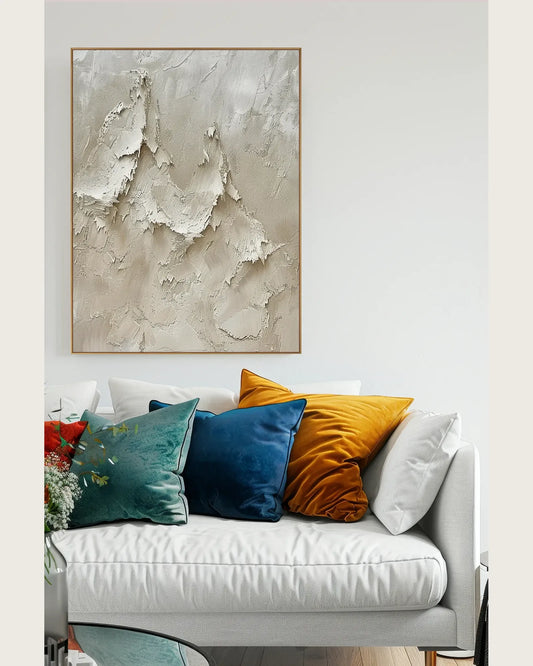
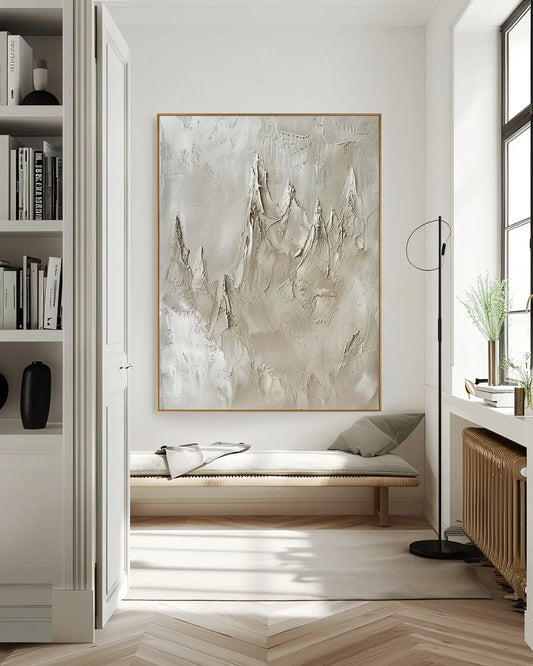
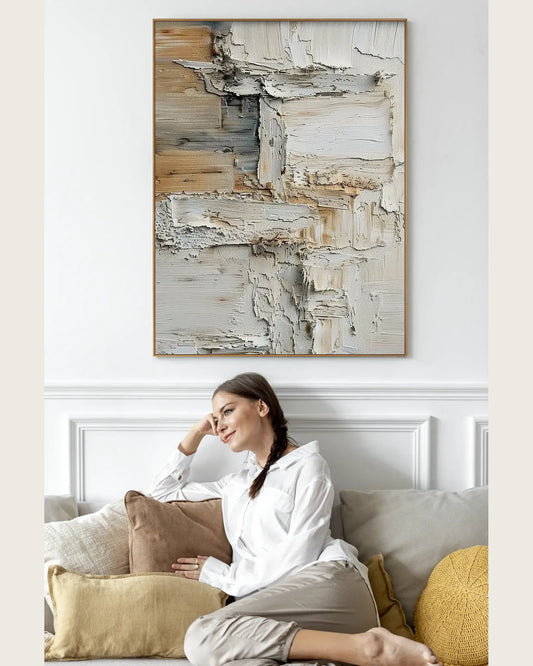
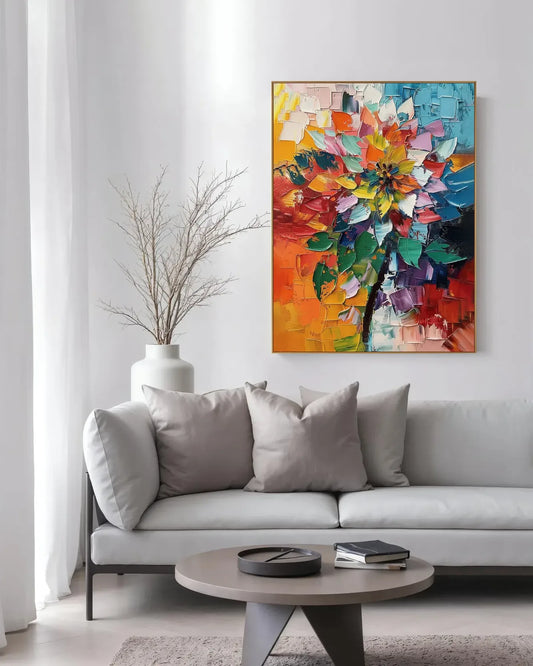
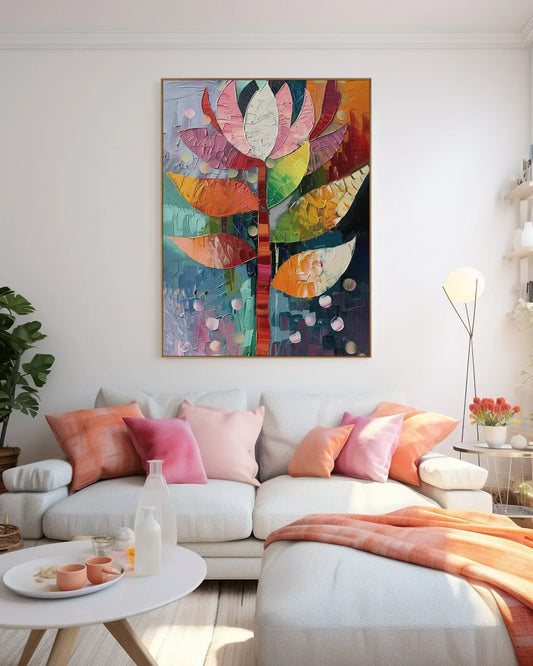
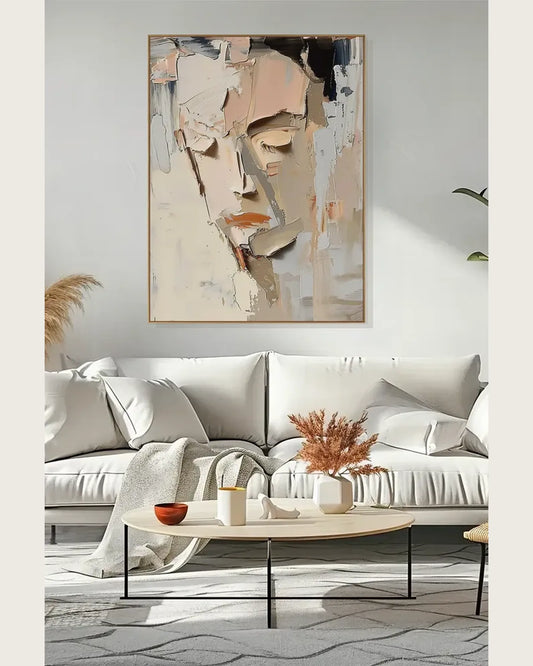
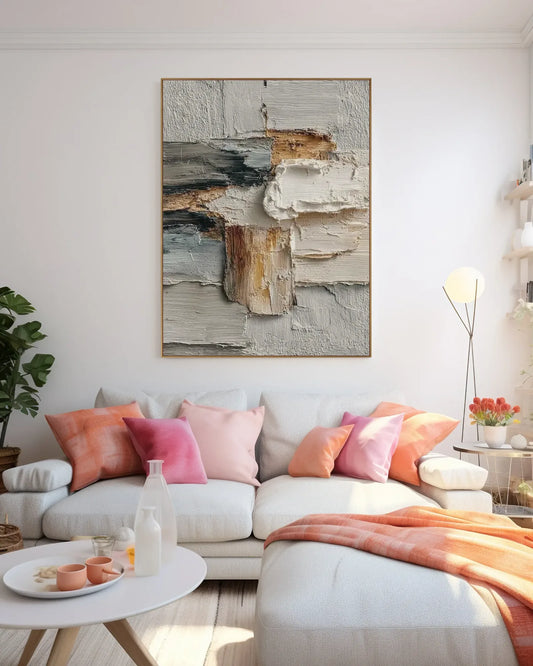
Contemporary Texture Artwork No.053
Regular price From $118.00Regular price -
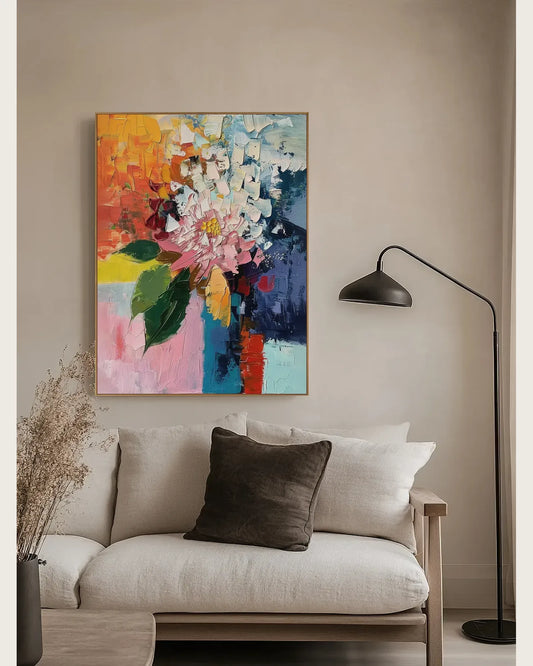
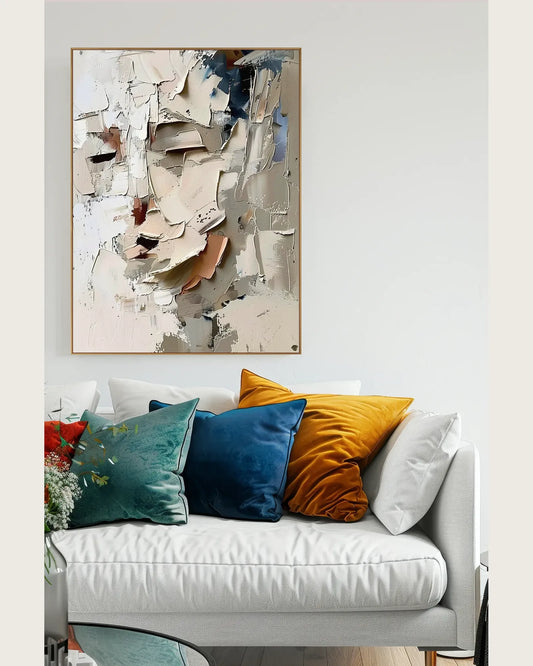
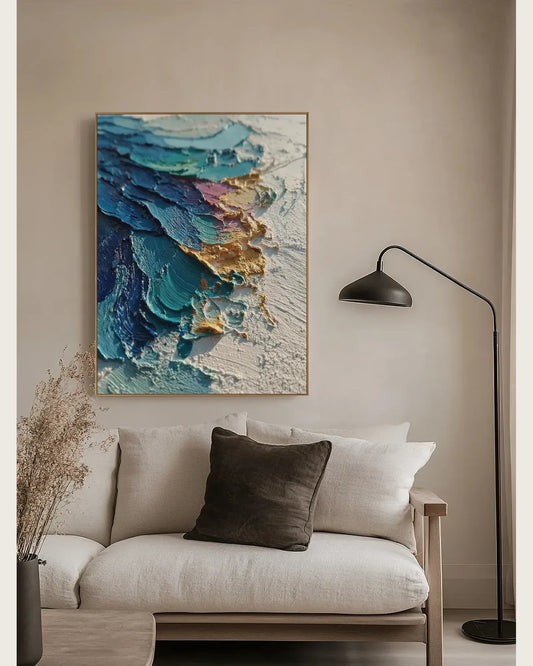
Contemporary Texture Canvas Art No.052
Regular price From $118.00Regular price -
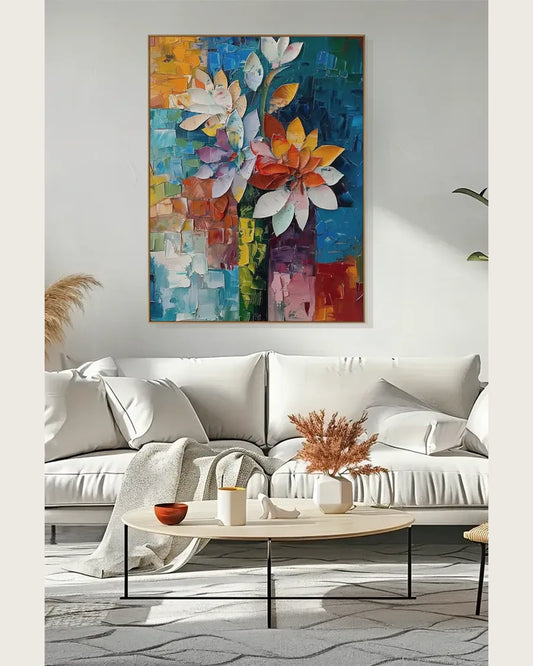
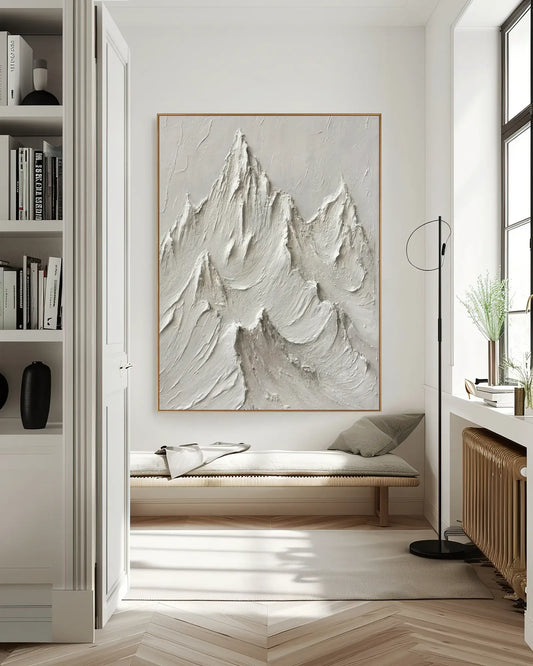
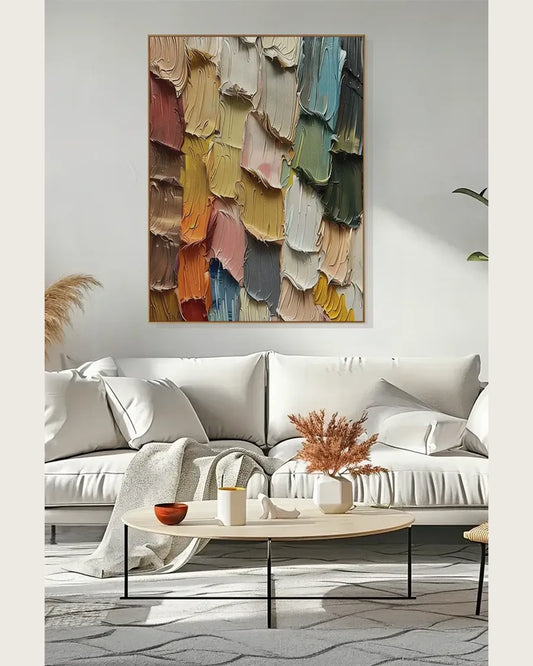
Contemporary Texture Wall Art No.051
Regular price From $118.00Regular price -
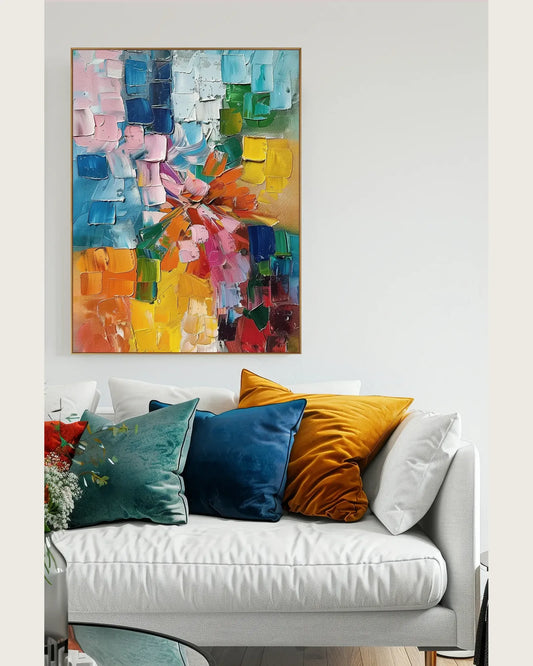
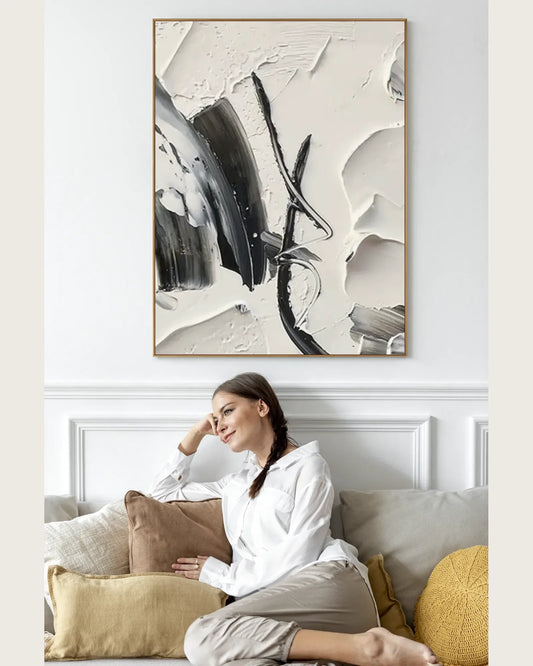
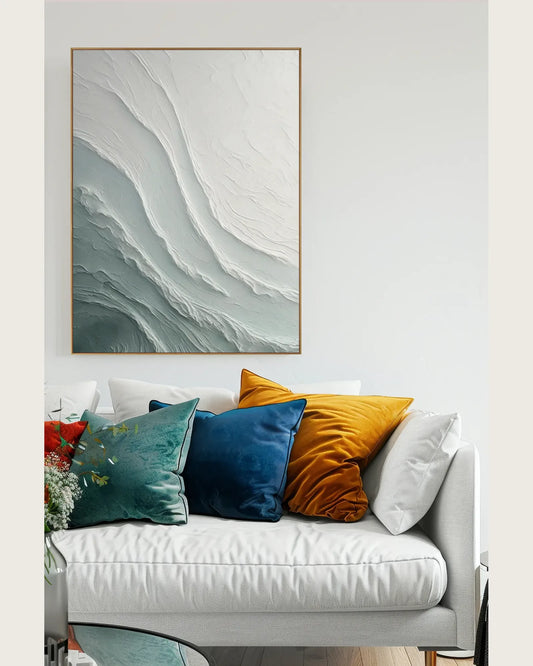
Hand Painted Texture Wall Decor No.049
Regular price From $118.00Regular price -
Hand Painted Texture Artwork No.048
Regular price From $118.00Regular price -
Hand Painted Texture Canvas Art No.047
Regular price From $118.00Regular price -
Hand Painted Texture Wall Art No.046
Regular price From $118.00Regular price -
Neutral Texture Canvas Painting No.045
Regular price From $118.00Regular price -
Neutral Texture Artwork No.043
Regular price From $118.00Regular price -
Neutral Texture Canvas Art No.042
Regular price From $118.00Regular price -
Neutral Texture Wall Art No.041
Regular price From $118.00Regular price -
Real Texture Canvas Painting No.040
Regular price From $118.00Regular price -
Real Texture Artwork No.038
Regular price From $118.00Regular price -
Real Texture Canvas Art No.037
Regular price From $118.00Regular price -
Real Texture Wall Art No.036
Regular price From $118.00Regular price -
Minimalist Texture Canvas Painting No.035
Regular price From $118.00Regular price -
Minimalist Texture Canvas Art No.032
Regular price From $118.00Regular price -
Minimalist Texture Wall Art No.031
Regular price From $118.00Regular price -
Modern Texture Canvas Painting No.030
Regular price From $118.00Regular price -
Modern Texture Wall Decor No.029
Regular price From $118.00Regular price




















Frequently Asked Questions
1. What is tactile texture in art?
2. How to make texture paint for canvas?
3. What is simulated texture in art?
4. How to create texture in art?
5. How to make plaster art?
6. What is textured art?