
-
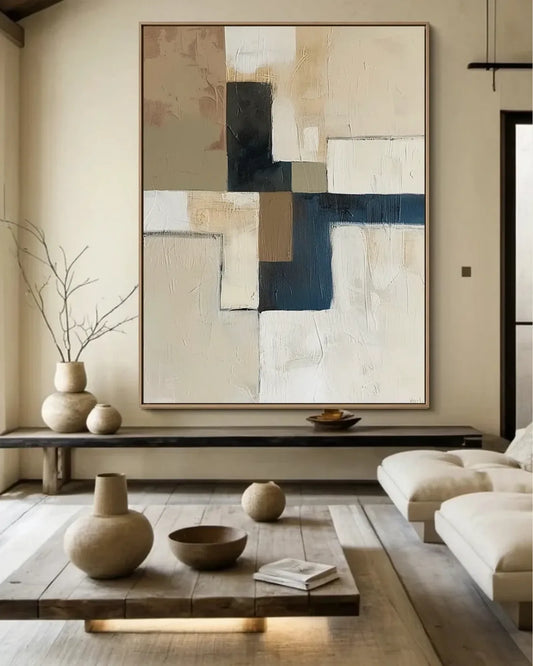
Natural Materials Wabi Sabi Wall Decor No.049
Regular price From $118.00Regular price -
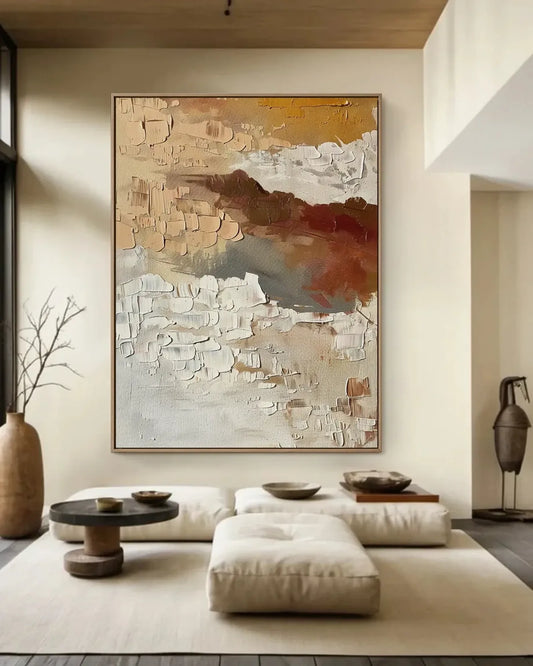
Natural Materials Wabi Sabi Artwork No.048
Regular price From $118.00Regular price -
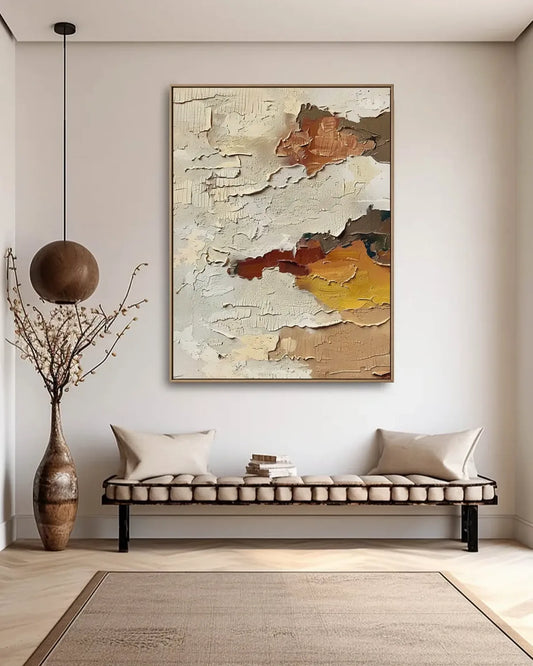
Natural Materials Wabi Sabi Canvas Art No.047
Regular price From $118.00Regular price -
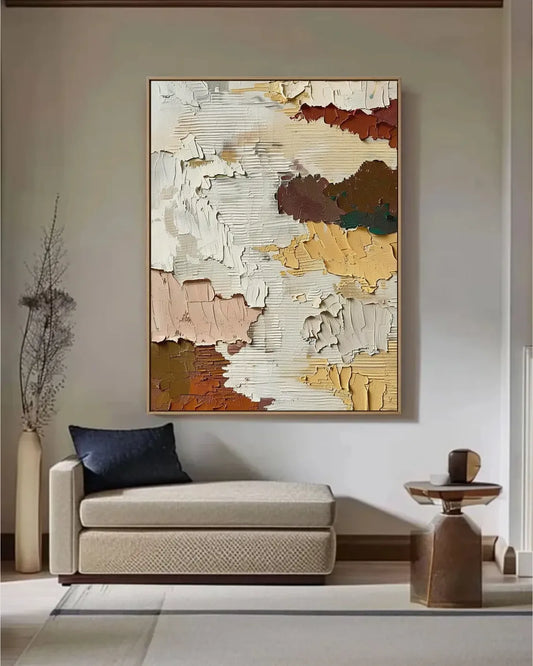
Natural Materials Wabi Sabi Wall Art No.046
Regular price From $118.00Regular price -
Modern Minimalist Wabi Sabi Canvas Painting No.045
Regular price From $118.00Regular price -
Modern Minimalist Wabi Sabi Wall Decor No.044
Regular price From $118.00Regular price -
Modern Minimalist Wabi Sabi Artwork No.043
Regular price From $118.00Regular price -
Modern Minimalist Wabi Sabi Canvas Art No.042
Regular price From $118.00Regular price -
Modern Minimalist Wabi Sabi Wall Art No.041
Regular price From $118.00Regular price -
Hand Painted Wabi Sabi Canvas Painting No.040
Regular price From $118.00Regular price -
Hand Painted Wabi Sabi Wall Decor No.039
Regular price From $118.00Regular price -
Hand Painted Wabi Sabi Artwork No.038
Regular price From $118.00Regular price -
Hand Painted Wabi Sabi Canvas Art No.037
Regular price From $118.00Regular price -
Hand Painted Wabi Sabi Wall Art No.036
Regular price From $118.00Regular price -
Soft Neutral Wabi Sabi Canvas Painting No.035
Regular price From $118.00Regular price -
Soft Neutral Wabi Sabi Wall Decor No.034
Regular price From $118.00Regular price -
Soft Neutral Wabi Sabi Artwork No.033
Regular price From $118.00Regular price -
Soft Neutral Wabi Sabi Canvas Art No.032
Regular price From $118.00Regular price -
Soft Neutral Wabi Sabi Wall Art No.031
Regular price From $118.00Regular price -
Warm Neutral Wabi Sabi Canvas Painting No.030
Regular price From $118.00Regular price




















Frequently Asked Questions
1. What is Wabi Sabi wall art?
2.What does having Wabi Sabi mean?
3. Is Wabi Sabi good or bad?
4. What colors are usually used in Wabi Sabi paintings?
5. Can Wabi Sabi wall art work in a modern or minimalist home?
6. Is Wabi Sabi wall art the same as abstract art?